
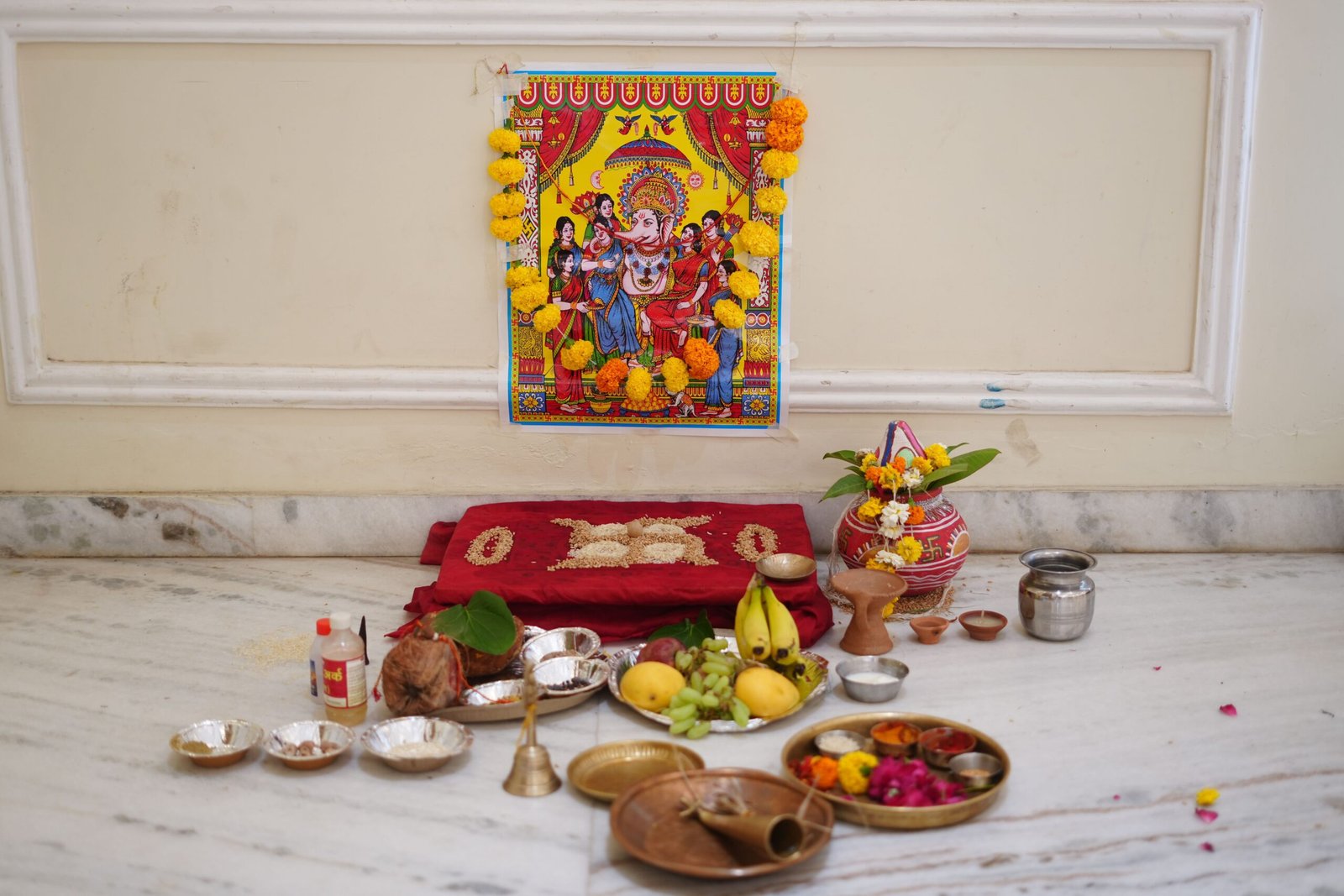
A religious statue can remain in a home for many years. It may have been part of daily prayers, a festival celebration, or a family tradition passed down through generations. So, when the statue becomes cracked or broken, deciding what to do with it can feel uncomfortable.
Many people do not want to simply put it in a household dustbin. At the same time, leaving a damaged statue in the house forever may not be practical.
There are several respectful ways to handle a broken religious statue. The right choice depends on the material of the statue, local traditions, and the customs followed by your family or religious community.
Why Is Proper Disposal Important?
Religious statues are often treated with respect because of their spiritual and cultural significance. Handling a damaged statue thoughtfully can help a family feel comfortable while moving on from an item that can no longer be used in the same way.
There is also an environmental side to consider. Modern statues and idols may contain plaster, synthetic paint, plastic decorations, resin, metal, or other materials that should not be dumped into rivers, ponds, or public spaces.
Respectful disposal should therefore consider both religious customs and responsible waste management.
Start by Checking What the Statue Is Made Of
Before deciding how to dispose of a broken statue, identify its material.
It could be made from:
- Natural clay
- Plaster of Paris
- Stone
- Wood
- Metal
- Ceramic
- Resin
- Plastic
- A combination of materials
A small traditional clay statue may be handled differently from a statue made with plaster and synthetic paint.
Speak to Someone Familiar with Your Tradition
There is no single disposal method followed by every Hindu family or community.
Practices can vary from one region to another and between different religious traditions. If you are unsure, speaking to a priest, religious teacher, or an experienced family elder can help you understand what is traditionally followed in your community.
This is particularly useful when the statue has been regularly worshipped for many years.
Can a Broken Statue Be Repaired?
Before thinking about disposal, consider whether the statue can be repaired.
A crack or minor break does not always mean that an object has to be thrown away. Depending on the material and the extent of the damage, an experienced artisan may be able to restore a statue.
This may be particularly worthwhile for:
- Stone statues
- Wooden statues
- Metal statues
- Older family statues
- Statues with artistic or cultural value
Whether a repaired statue should continue to be used for worship is a personal or religious matter, so families may wish to seek guidance from someone familiar with their tradition.
Consider Giving the Statue to a Temple
In some cases, a family may consider giving an old or damaged statue to a temple or religious organization.
However, it is important to contact the temple first rather than leaving the statue at the entrance or on temple property.
Not every temple has the facilities or tradition to accept damaged religious objects. Asking beforehand is a simple way to ensure the statue is handled appropriately.
What About Immersion in Water?
Immersion is associated with certain religious practices, particularly during festivals. However, placing broken statues into natural water bodies is not always environmentally appropriate.
Statues made from plaster, plastic, synthetic materials, or chemical paints can remain in the environment and contribute to water pollution.
If immersion is part of your religious practice, check whether your local community or authorities provide a designated immersion or collection facility.
Avoid using rivers, lakes, ponds, or drains as general disposal locations.
Do Not Burn Synthetic Statues
Burning a statue may seem like a traditional or convenient option, but it can be unsafe if the statue contains plastic, resin, synthetic paint, or other artificial materials.
Open burning can release harmful smoke and create a fire hazard.
For this reason, avoid burning statues unless a specific traditional practice is being carried out safely and appropriately with suitable natural materials.
Separate Different Materials
A broken statue may contain several different materials. Before disposal, look for things such as:
- Plastic flowers
- Synthetic cloth
- Glitter
- Decorative wire
- Thermocol
- Plastic beads
- Foil
- Electrical components
- Batteries
Where practical, separate these materials and dispose of them through the appropriate waste channels.
This is especially important if the remaining material is being considered for recycling or another environmentally responsible disposal method.
What Should You Do With a Small Broken Idol at Home?
If a small religious idol breaks accidentally, there is no need to rush into disposing of it.
You can:
- Carefully collect the broken pieces.
- Place them somewhere clean and secure.
- Separate any plastic or synthetic decorations.
- Consider your family’s traditional practice.
- Speak with a priest or knowledgeable elder if you are uncertain.
- Check whether a local temple or organization accepts damaged idols.
- Look for designated collection or disposal facilities in your area.
- Avoid throwing the pieces into public places or natural water bodies.
Taking a little time to decide can help you handle the situation respectfully.
What If the Statue Is Very Old?
An old religious statue may have cultural, artistic, or family value even if it is damaged.
Instead of immediately disposing of it, consider whether it can be:
- Repaired
- Preserved
- Stored respectfully
- Given to an appropriate religious organization
- Professionally assessed if it appears historically significant
If you believe a statue may be antique or culturally important, avoid altering or disposing of it before getting appropriate advice.
How Does Pooja Waste Fit Into This?
Broken statues are sometimes found alongside flowers, leaves, incense sticks, cotton wicks, food offerings, and other materials after a religious ceremony.
These materials should not all be treated as one type of waste.
If you want to Dispose Pooja Waste responsibly, separate natural biodegradable materials from plastic, synthetic decorations, packaging, and other non-biodegradable items.
Flowers and leaves may be suitable for composting where appropriate, while reusable items can be cleaned and kept for future use. Other materials should be handled according to local waste-management facilities and rules.
Respecting Tradition While Caring for the Environment
Respect for religious traditions and environmental responsibility can go together.
Instead of leaving broken statues beside roads, placing them in drains, or dumping them into water bodies, families can look for options that respect both the significance of the object and the surrounding environment.
The best method may differ from one situation to another. What matters is making a thoughtful decision rather than treating a religious object as ordinary household rubbish.
Final Thought
A broken religious statue can carry years of memories, devotion, and family significance. There is no single disposal method that is appropriate for every statue, so its material, condition, and the family’s religious customs should all be considered.
Repairing it, consulting a religious guide, using a designated collection facility, or choosing another respectful method may all be appropriate depending on the circumstances. At the same time, avoiding pollution and separating different types of waste can make the process more environmentally responsible.
By taking a little care when you Dispose Pooja Waste, you can respect the meaning of religious materials while also helping to keep your surroundings clean.